Antenna Tuners & Matching Networks
Overview
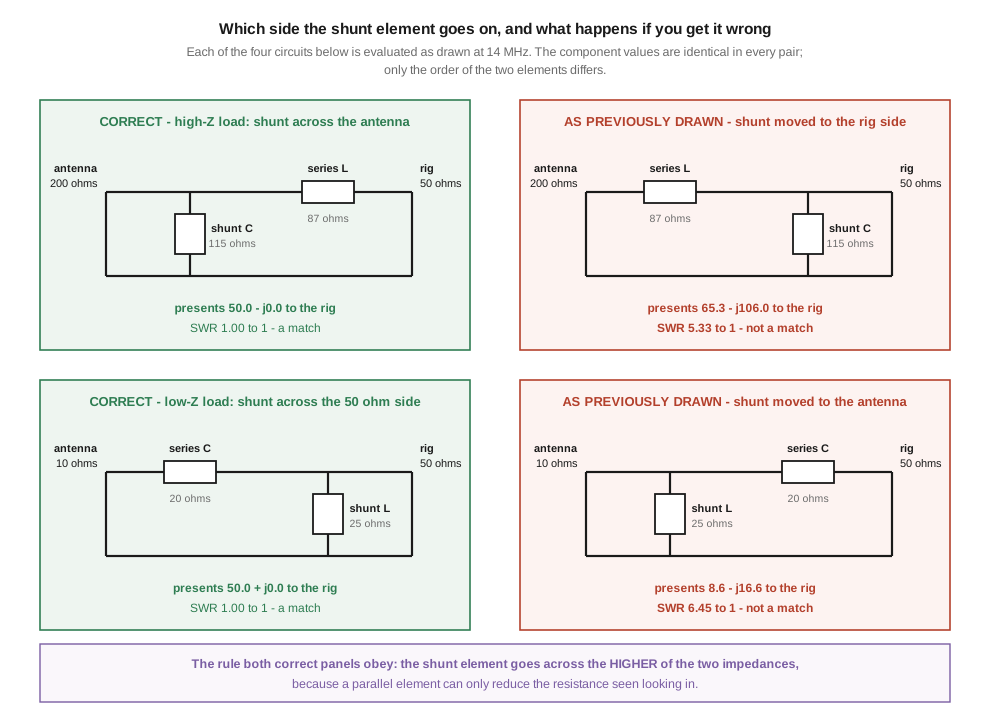
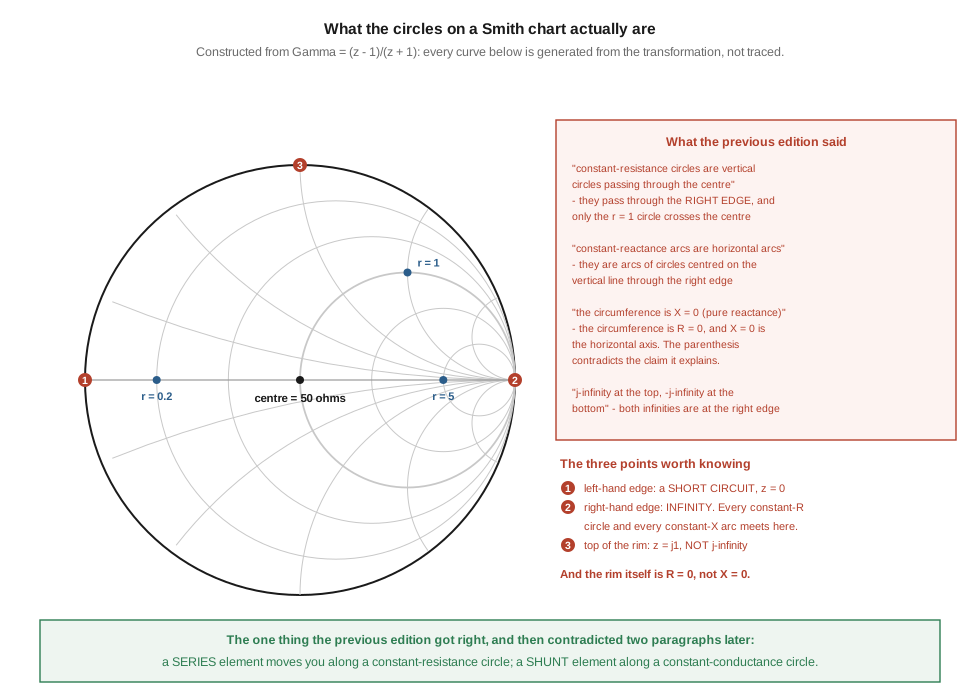
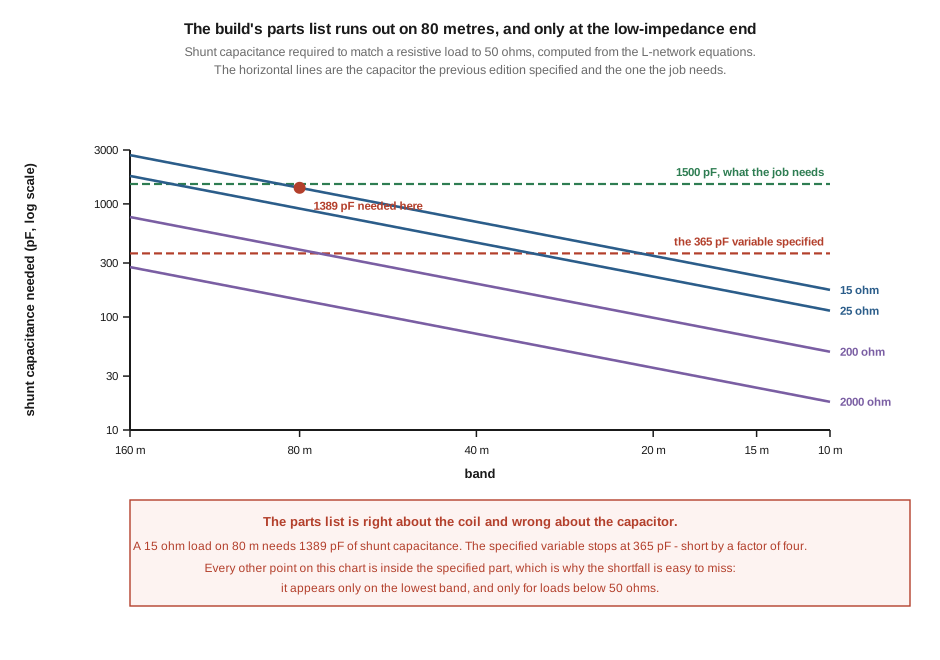
The antenna tuner is the variable-ratio matching network that handles antennas with unknown or frequency-variable impedance — the complement to the fixed-ratio BALUNs of the companion sub-project. This dive covers the three canonical network topologies (L-network, T-network, pi-network), Smith-chart matching by hand as a visual geometry technique, autotuners (LDG IT-100/AT-1000 Pro, MFJ-993B/998RT, mAT-705, Icom AT-180, Yaesu FC-30/40), manual high-power tuners (Palstar AT2K, MFJ-989D, vintage Johnson Matchbox), remote mast-base autotuners (SGC-237, mAT-705, LDG RT-100), balanced tuners for ladder-line / doublet feeds, and the true efficiency cost of forcing a poor impedance match through lossy coax. DIY build is an L-network for 80–10 m at 200 W.
Context
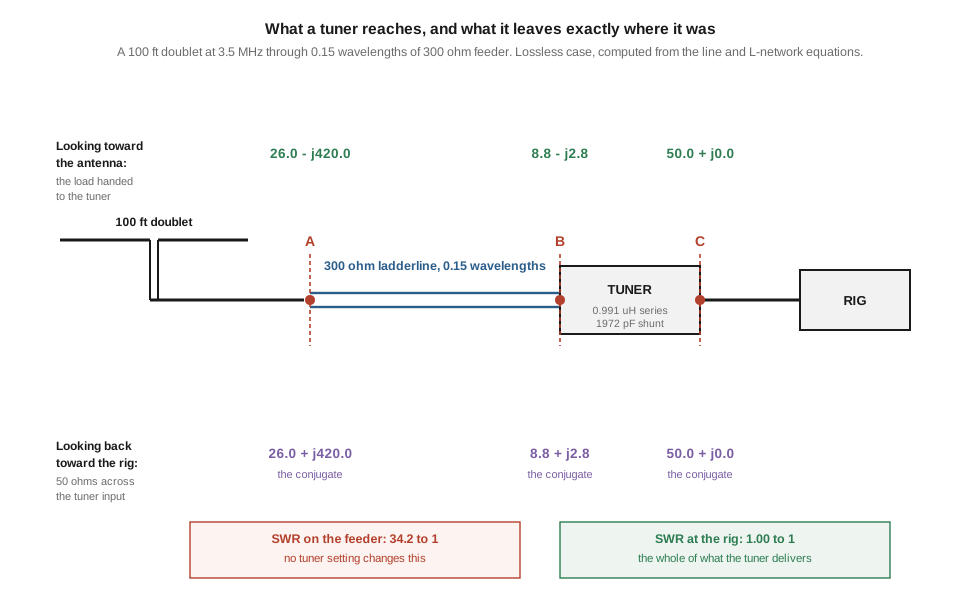
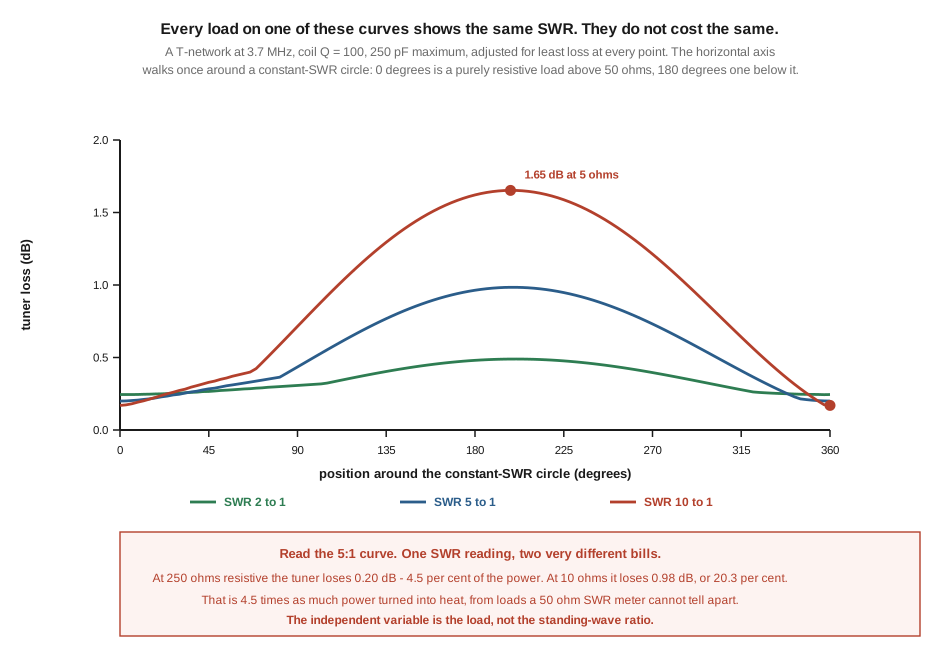
The tuner's job is to present 50 Ω to the rig regardless of what the antenna presents — not to make a poor antenna efficient. The critical distinction is rig protection vs antenna efficiency: a rig-end tuner forces a match at the transceiver terminal while high SWR on the feedline between tuner and antenna continues to multiply coax loss. A remote tuner at the antenna feedpoint eliminates that lossy high-SWR section, recovering the power that would otherwise dissipate in the feedline. This dive makes that comparison quantitative and helps the operator pick correctly between "tuner at the rig" (convenient, protects the PA) and "tuner at the antenna" (efficient, requires DC-over-coax or control cable).