NanoVNA
Overview
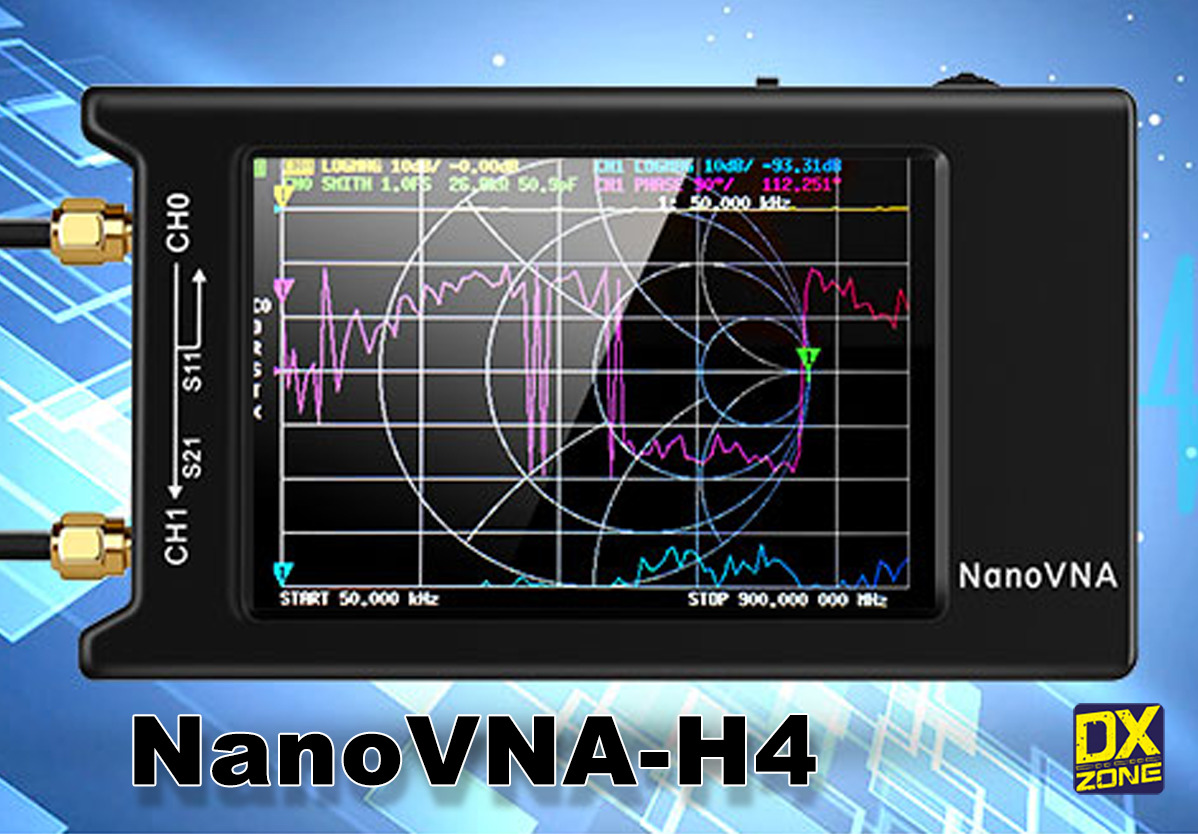
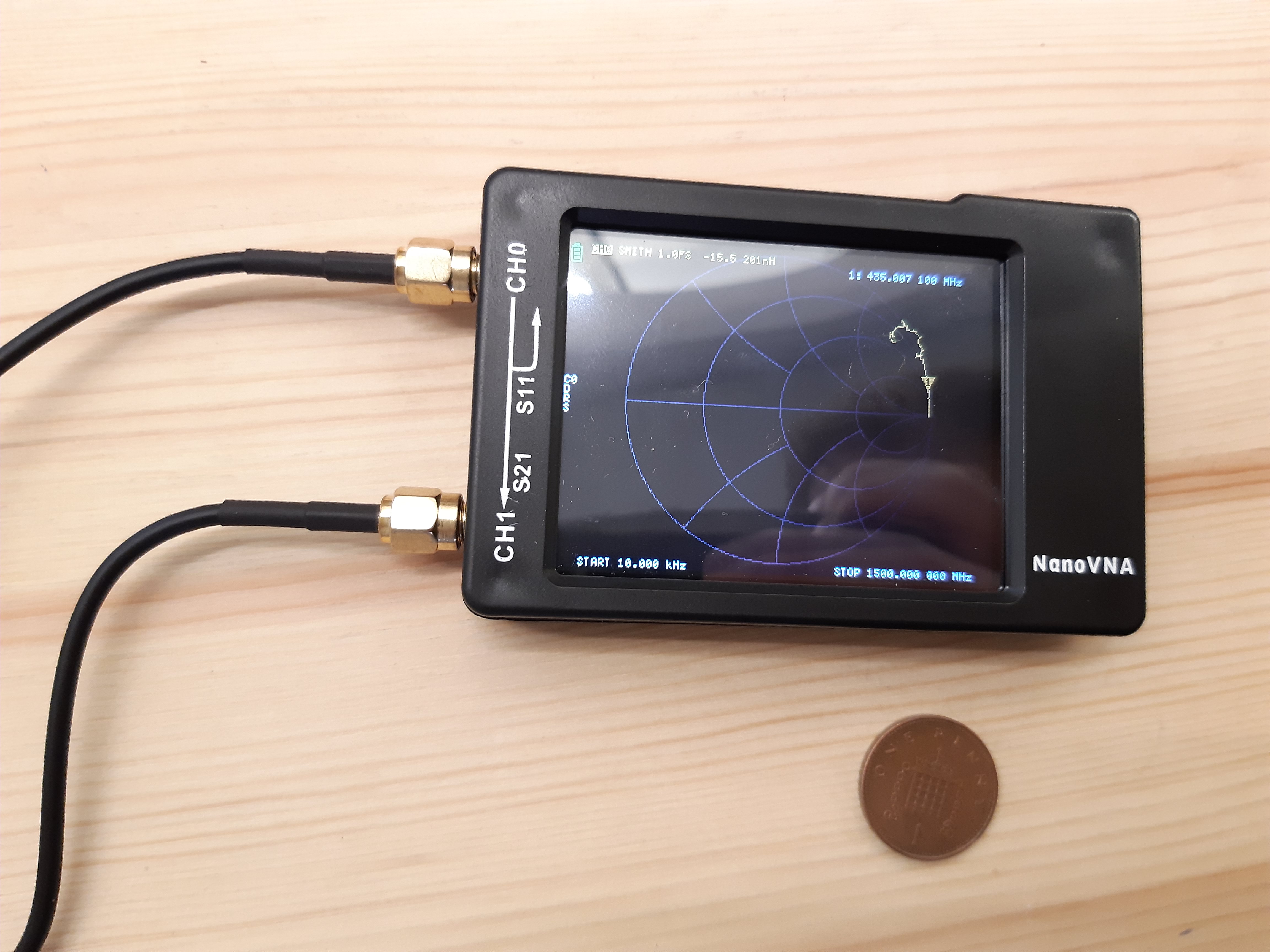
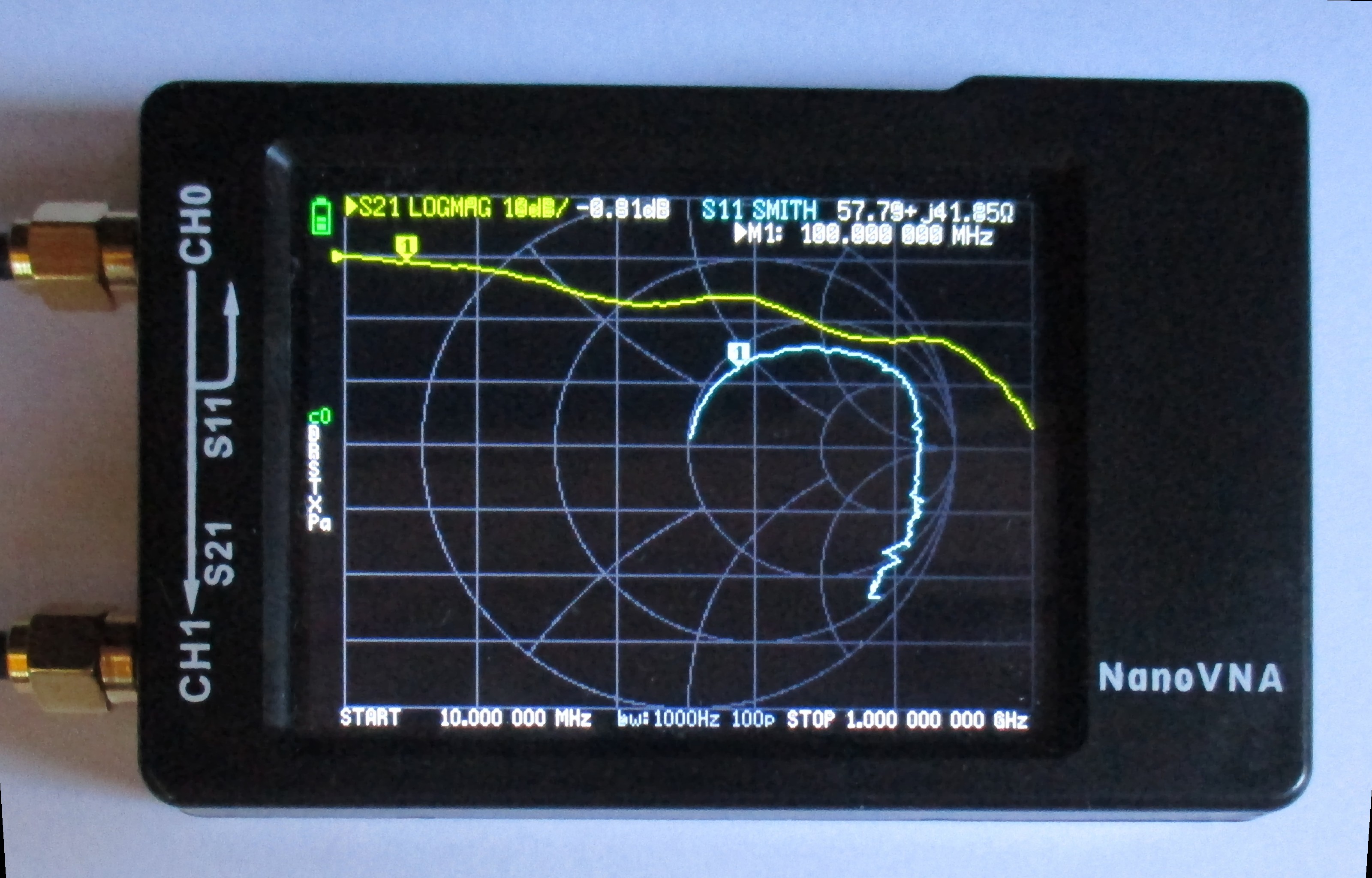
The NanoVNA democratized antenna measurement: a two-port vector network analyzer that put real S-parameter measurement on every amateur bench at a small fraction of the previous entry-level VNA's price. The family has since outgrown its own budget bracket, now spanning roughly $100 to $1,500 and reaching 50 kHz–1.5 GHz on the original lineage, 4.4–6.3 GHz on the newer fundamental-only designs. This dive covers the full hardware family (V2, SAA-2N, Hugen V3, LiteVNA, NanoVNA-F variants), calibration discipline (OSL + through, calibration kit quality as the dominant accuracy variable), S11/S21 measurement workflows (return loss, SWR, complex impedance, insertion loss, filter response), Smith-chart workflow on the device's touch screen, time-domain reflectometry for feedline-fault location, NanoVNA-Saver and host software, and the field workflow for measuring a deployed antenna on deployment day. Limitations are quantified explicitly, and with the frequency attached: >70 dB in the Si5351's fundamental range (50 kHz–300 MHz), collapsing to ~40 dB by 900 MHz where the original lineage reaches its ceiling by harmonic extension — while the fundamental-only V2 Plus4/Pro are specified at 90/96 dB at 1 GHz (BW=1.6 kHz, AVG=20). A dynamic-range number without a frequency is close to meaningless on this family.
Context
Every antenna and matching-network chapter in the series ends with "verify the build with a NanoVNA" — this is the measurement tool that closes every DIY build loop in the series. Before the NanoVNA landed in 2019, antenna measurement required either a $5k used HP 8753 or a dedicated commercial analyzer with less 2-port capability; the NanoVNA collapsed that barrier. Dynamic range is adequate for all amateur antenna and BALUN/tuner work across the HF and VHF bands where that work actually happens — the >70 dB fundamental-range figure covers it comfortably; the four cases where more is needed — deep stopband characterization below −60 dB, calibrated absolute power, sub-0.1° phase repeatability, NIST-traceable results — are the handoff triggers to the companion Analyzers & VNAs sub-project.