Theory & Practice
Overview
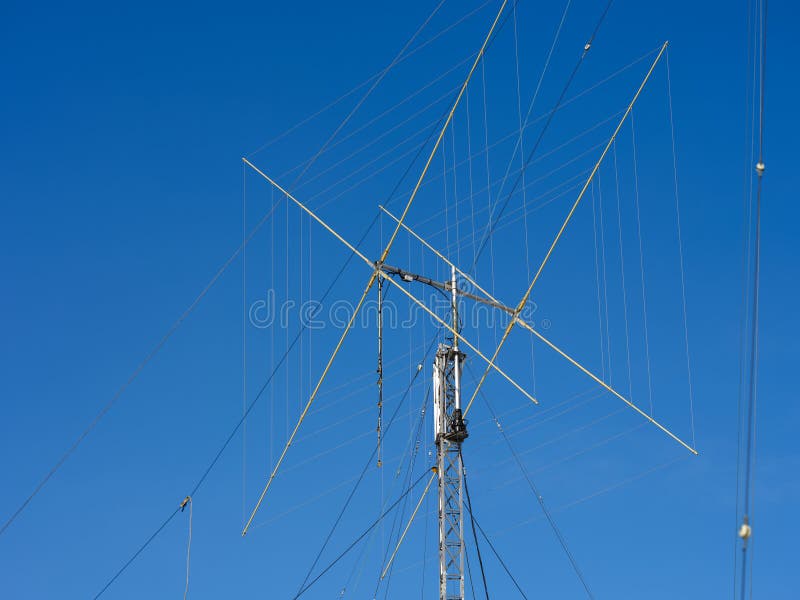
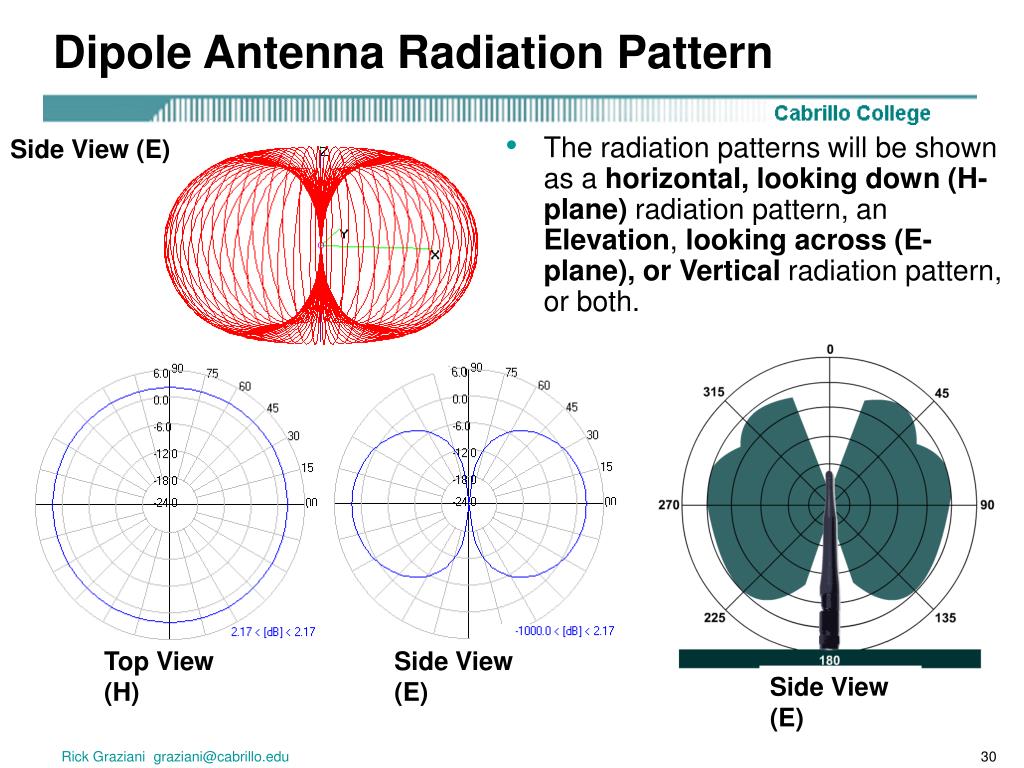
Theory & Practice is the foundational reference dive for the Antennas series — covering RF fundamentals, dB/dBm, antenna theory, and transmission lines, plus the overall decision graph that maps the reader to the right hub for any antenna, matching-network, measurement, or deployment question. The dive makes the eight-cluster structure legible: the foundation cluster (RF fundamentals, dB/dBm, antenna theory, transmission lines), the wire-and-air cluster (single-band dipoles, multi-band/specialty dipoles, fixed vertical monopoles, portable/mobile monopoles, random-wire/end-fed, Yagi-Uda, discone-family wideband, log-periodic/structured wideband, transmitting loops, and receive-only loops), the matching-network cluster (BALUNs/UNUNs, antenna tuners, passive splitters/combiners, and active splitters/preamps), the physical-deployment cluster (grounding/counterpoise, mounting/masts, weatherproofing, and stealth/restricted-space), the measurement cluster (NanoVNA, other analyzers/VNAs, power/SWR/field-strength, spectrum analyzers, and antenna modeling software), the synthesis cluster (per-radio use-case matrix, multi-radio shared antennas, regulatory/RF safety, and antenna farms), the satellite cluster (satellite antennas & rotators, and satellite tracking), and the cheatsheet/glossary/canonical-anchor-index closeout. The intended reader is a working engineer who can read a Smith chart cold; this dive's job is to frame the scope and template before the reader dives into individual hub chapters.
Context
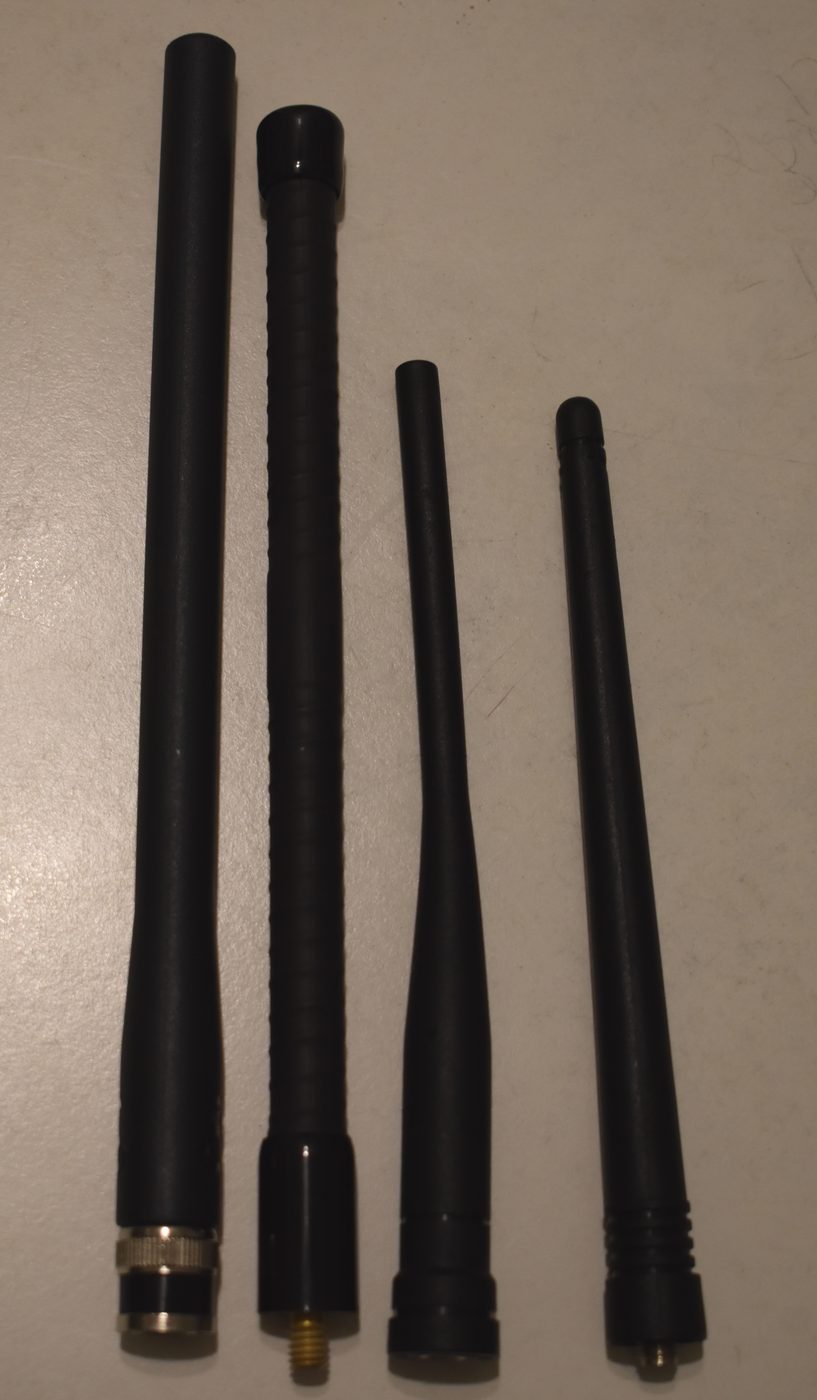
The Antennas project answers "what hangs off the SMA, why does it matter more than the radio in most engagements, and how do I pick or build the right one for the band, mode, and posture I'm working under?" This foundational dive frames the series' scope — roughly 1.8 MHz to 6 GHz across every antenna class from single-band dipoles to satellite dishes — and establishes the DIY-vs-Buy duality that threads through every subsequent volume. It is the entry point for operators who already know what a coax connector looks like and want to understand the full antenna stack before picking up a soldering iron or placing a DX Engineering order.
Deep dive


Related on other sites