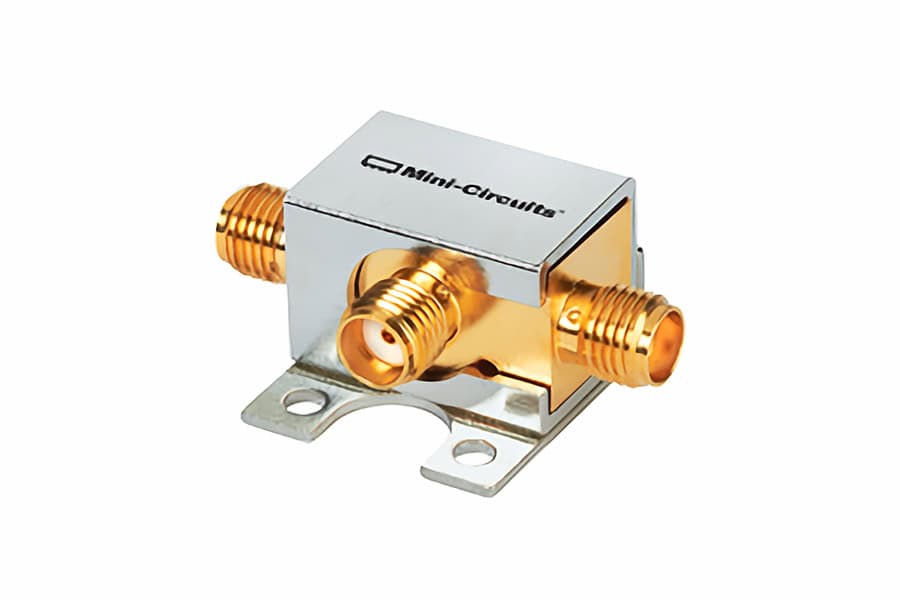
Passive Splitters, Combiners & Couplers
Overview
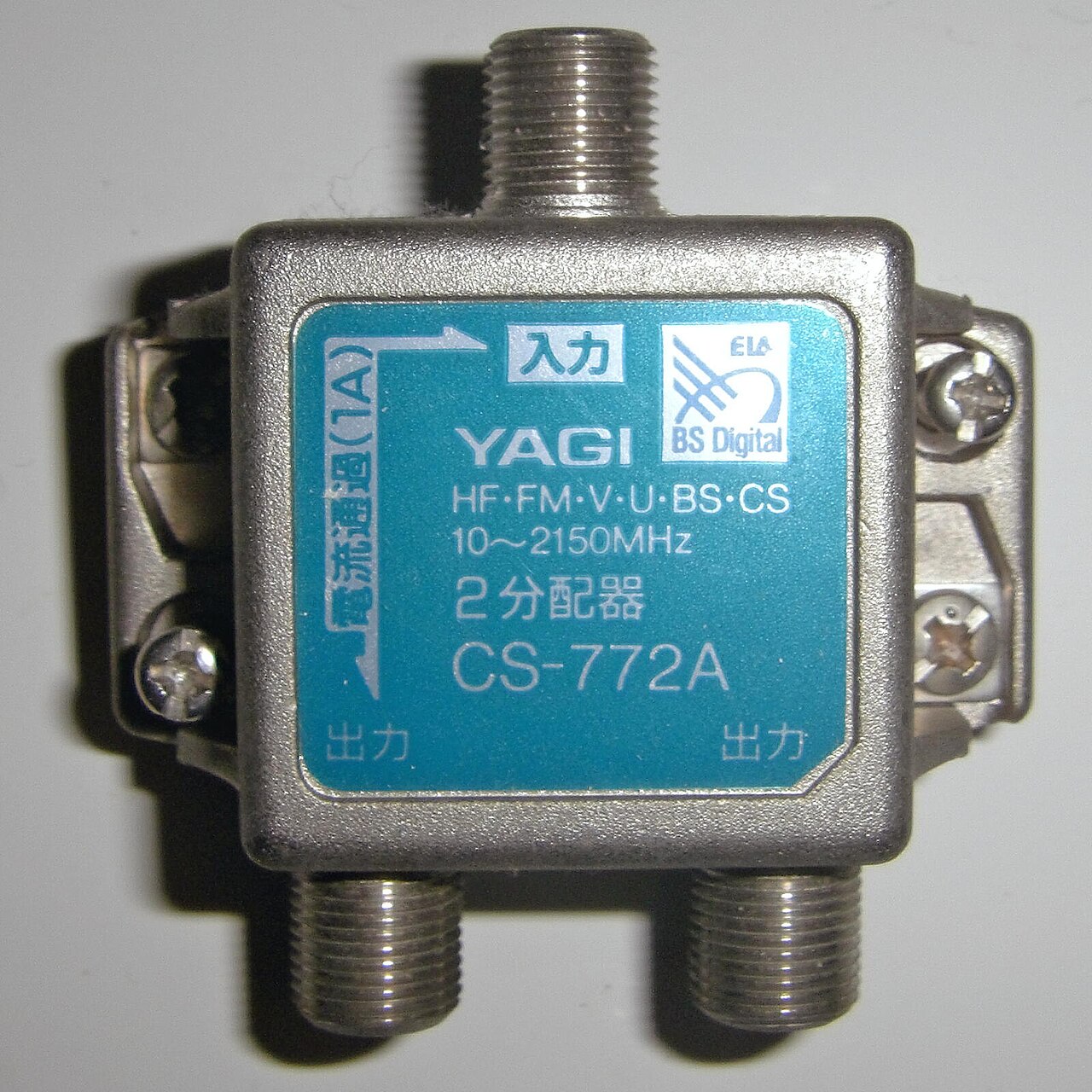
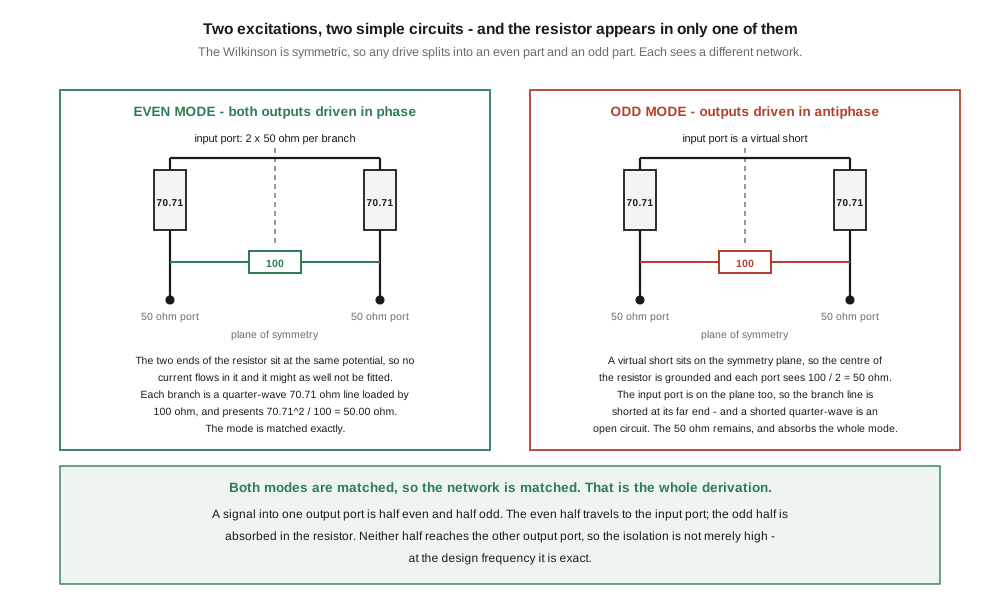
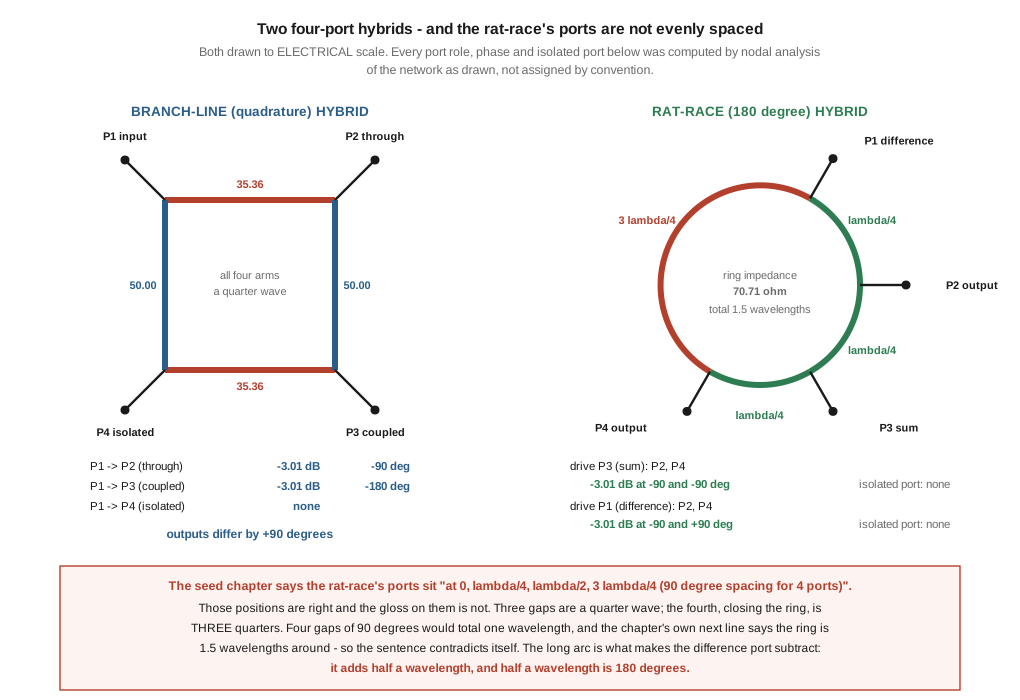
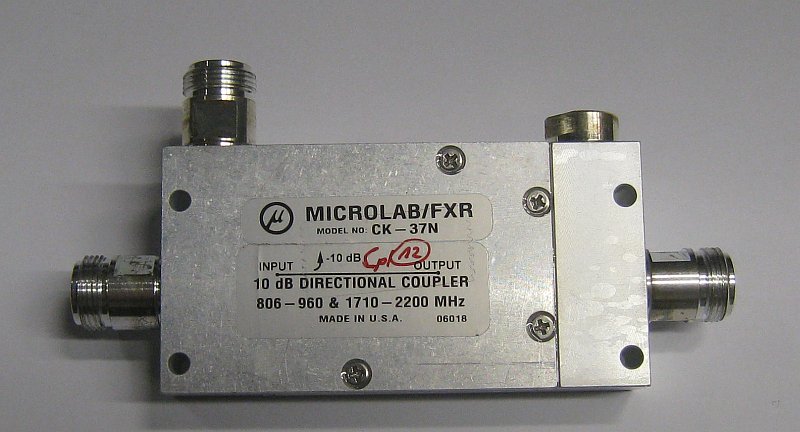
Passive RF distribution hardware — splitters, combiners, and directional couplers — enables one antenna to feed multiple receivers, multiple transmitters to share one antenna, or a sampled signal port to drive measurement instruments without disturbing the main signal path. This dive covers the resistive splitter (simplest, lossiest), the Wilkinson (equal-split with 20–30 dB isolation between output ports), the 90° quadrature hybrid and the 180° rat-race hybrid, the ferrite-core transformer splitter (wideband, low loss, the HF distribution workhorse), directional couplers (the passive sampler inside every SWR meter and Bird 43 slug), and the bias-T (RF/DC splitter for powering masthead amplifiers over the signal coax). DIY builds cover a 100–1000 MHz Wilkinson and a HF ferrite-core 4-way. Commercial buys are Mini-Circuits, MECA, and Anaren catalog parts.
Context
The passive-vs-active split decision is the key design choice this dive quantifies: a 4-way passive split costs ~6 dB (3 dB inherent + insertion loss), and if the pre-split signal level can absorb that, passive is simpler, more reliable, and cheaper than an active distribution amp. When the system budget cannot absorb the loss — weak-signal receive applications, satellite downlinks, distant beacons — the companion Active Splitters sub-project's distribution amplifiers take over. The insertion loss, isolation, and bandwidth tradeoff triangle governs every topology choice; Wilkinson and transformer types trade each other across that space.