Satellite Antennas & Rotators
Overview
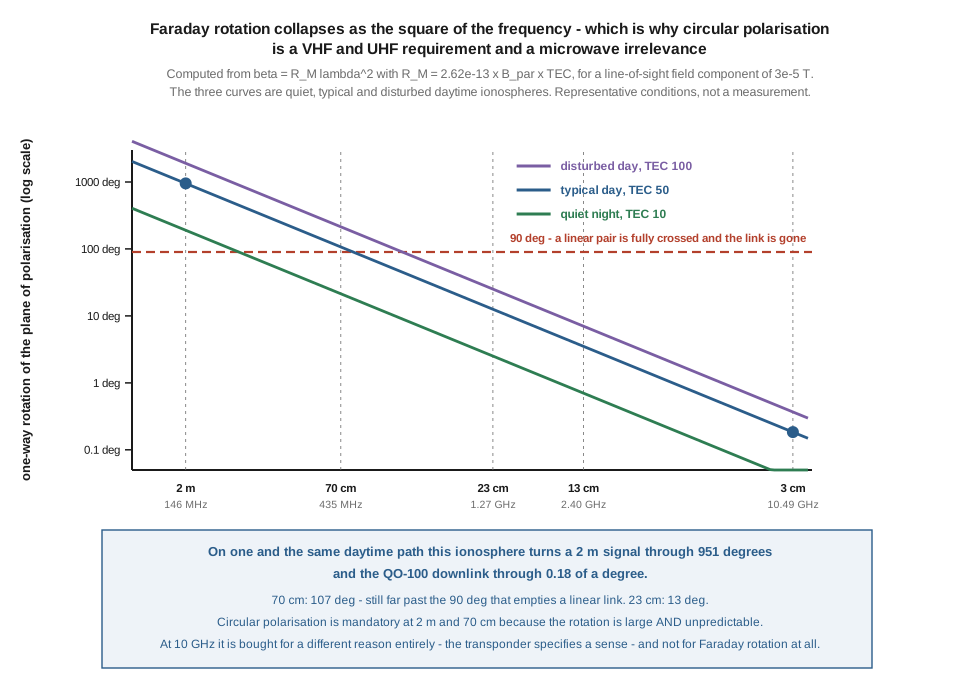
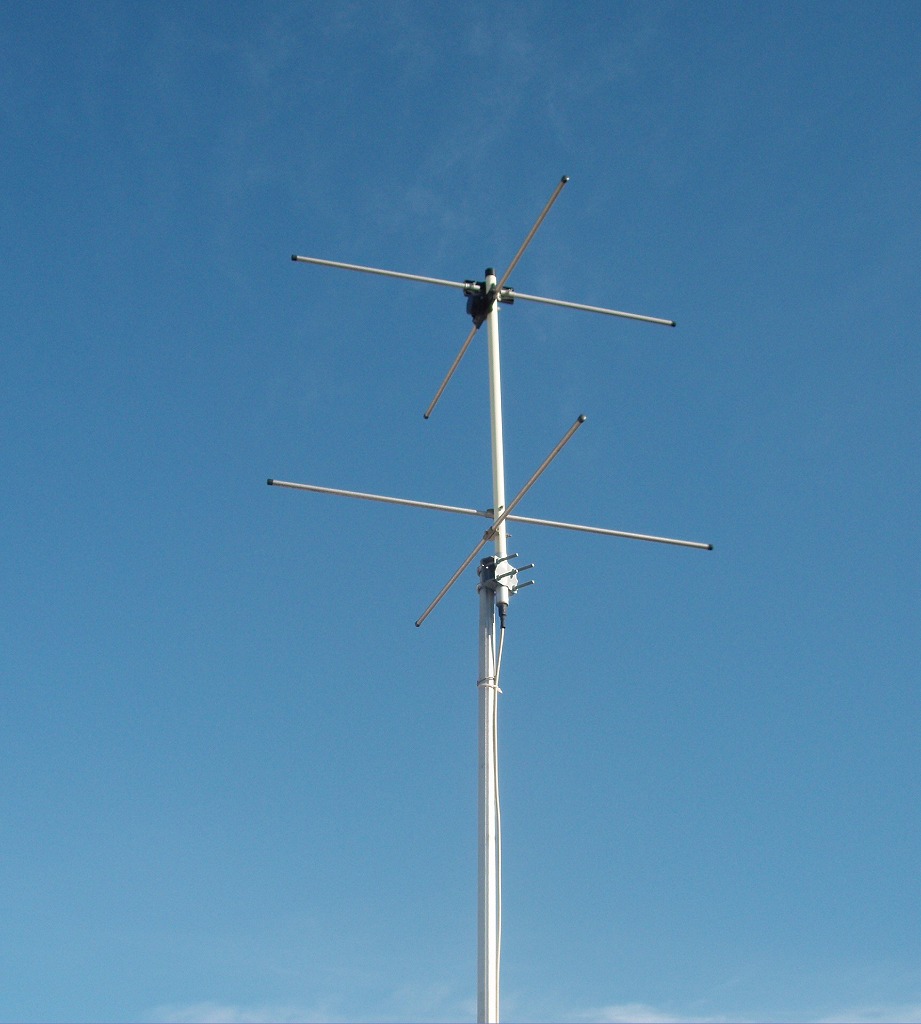
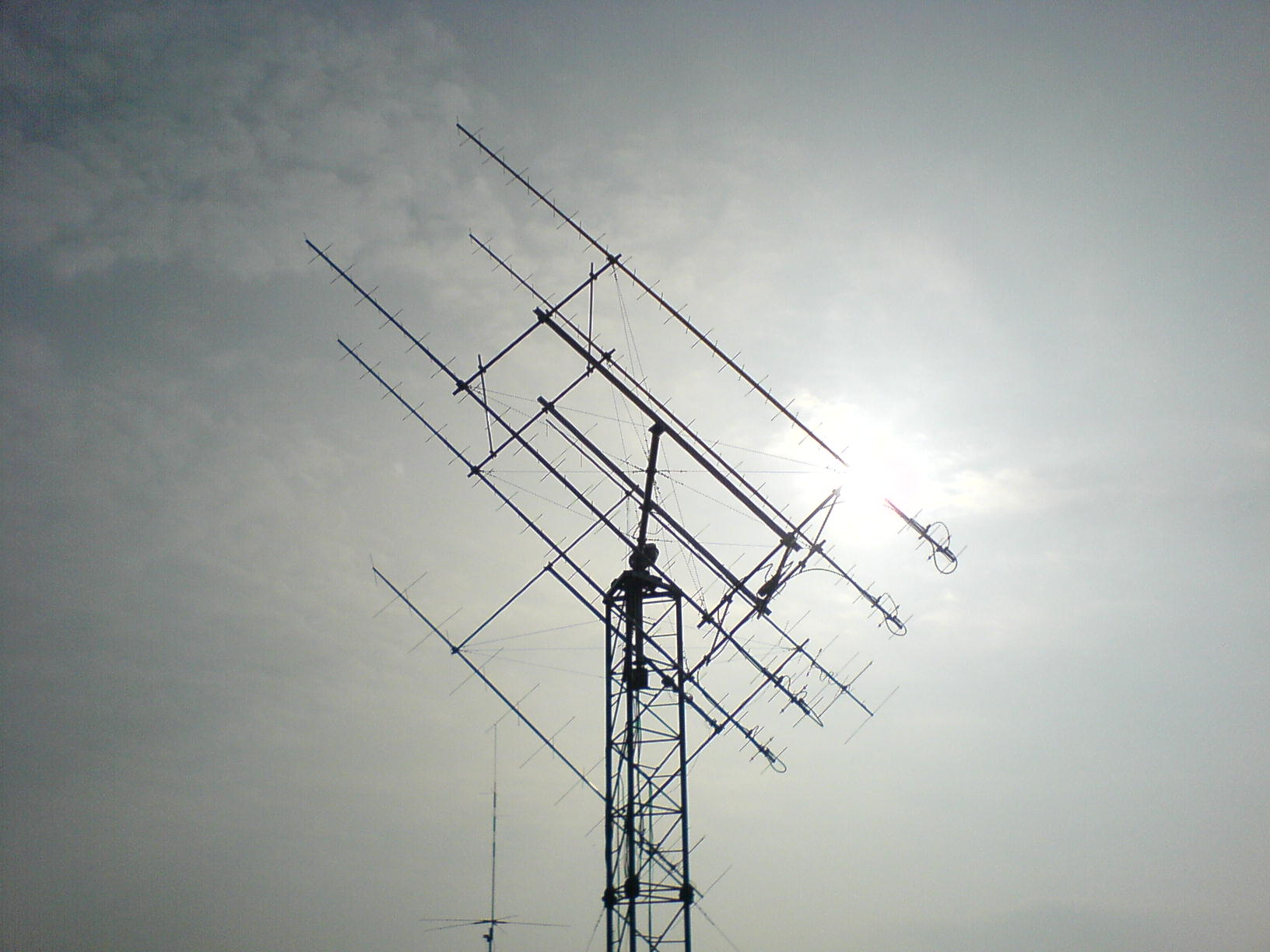
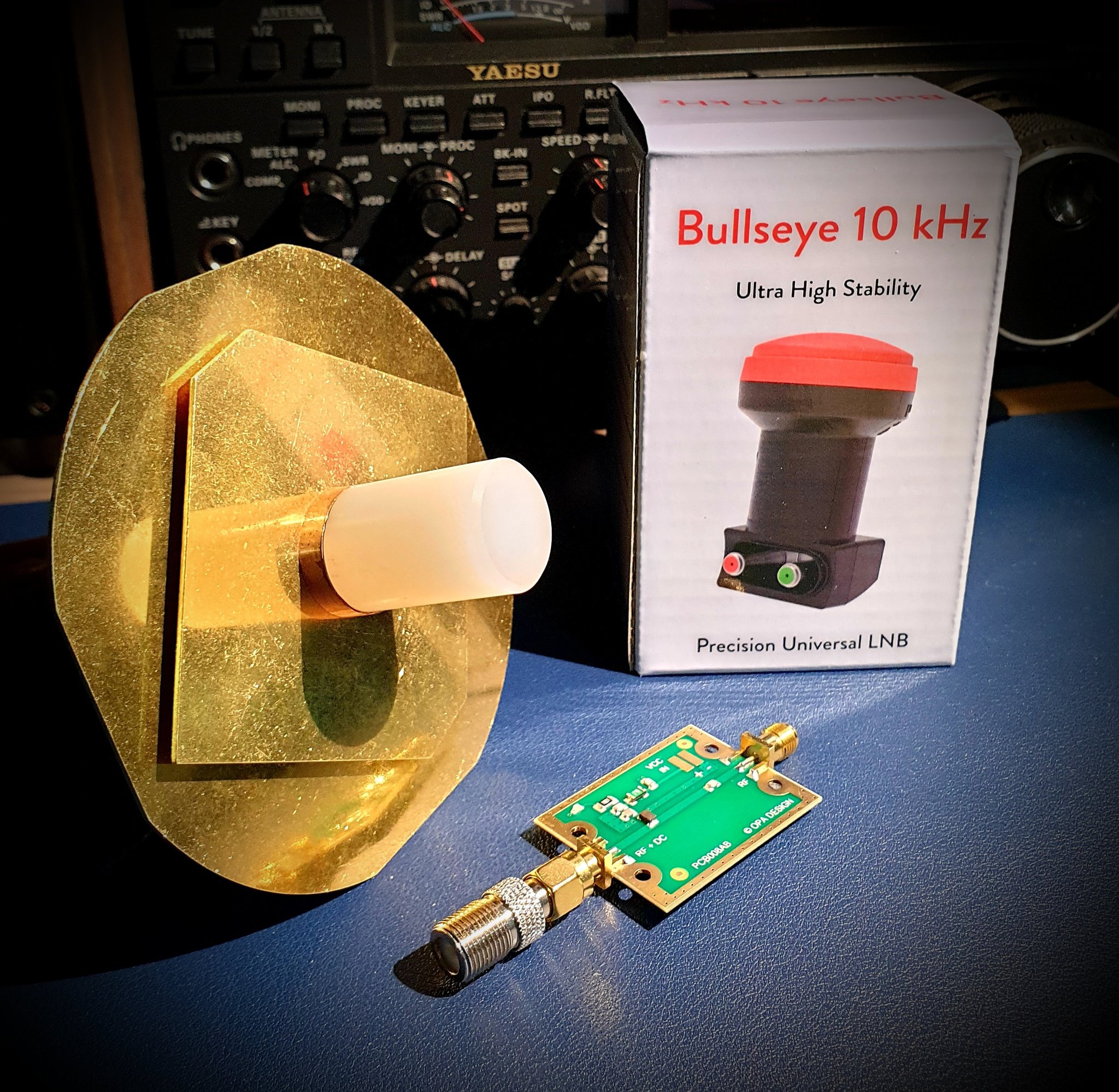
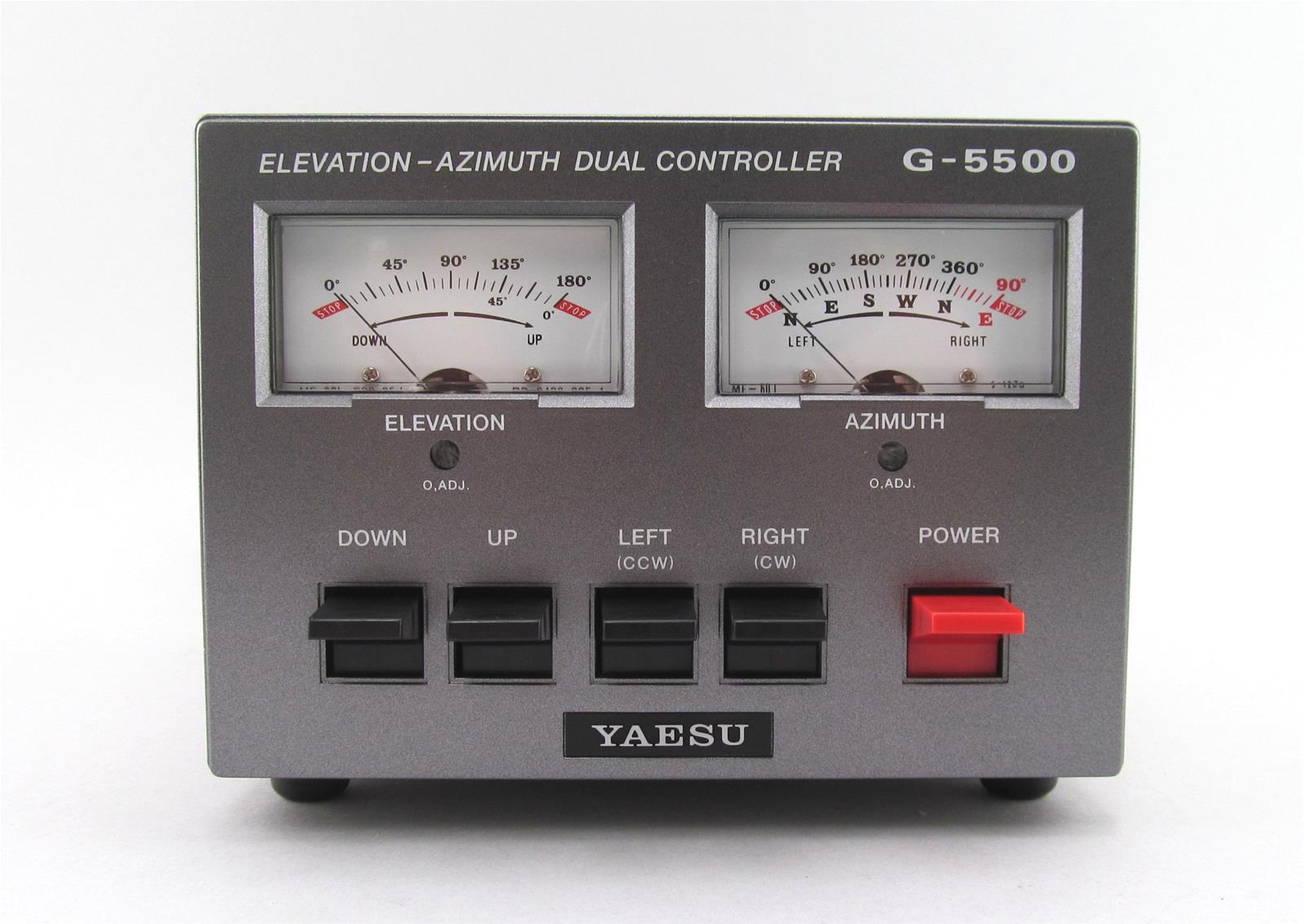
Satellite links break the fundamental assumption of every other antenna in the series — the other end of the link does not sit still. This dive covers the complete hardware stack for amateur and weather-satellite operation: circularly polarized antennas (turnstile, quadrifilar helix / QFH, crossed Yagis, axial-mode helix for LEO), dish-and-LNB chains for QO-100 (Es'hail-2, 2.4 GHz up / 10.49 GHz down) and GOES/Metop L-band weather reception, and the az/el rotator hardware (Yaesu G-5500, SatNOGS mechanical design) that points gain antennas at LEO passes. The Faraday-rotation and spin-fading physics case for circular polarization is derived, the Friis link budget is worked for a representative cubesat downlink to establish the masthead-preamp requirement (received power −110 to −135 dBm), and the zenith-keyhole handling problem is framed for rotator sizing. DIY and commercial-buy sections cover QFH, turnstile, and crossed-Yagi builds.
Context
Satellite operation exposes three hardware constraints not present in terrestrial work: the target moves (LEO passes last 5–15 minutes across the whole sky dome), the link is power-starved (cubesat downlinks at hundreds of milliwatts across hundreds of kilometers of slant range), and polarization wanders via Faraday rotation in the ionosphere (requiring circular polarization to avoid unpredictable 20+ dB fading). Every design decision in this dive — CP over linear polarization, masthead LNA mandatory, shortest possible run of the best coax, LNB at the dish feed for 10 GHz — flows from those three constraints. The companion Satellite Tracking sub-project covers where the az/el numbers come from and how to drive the rotator.