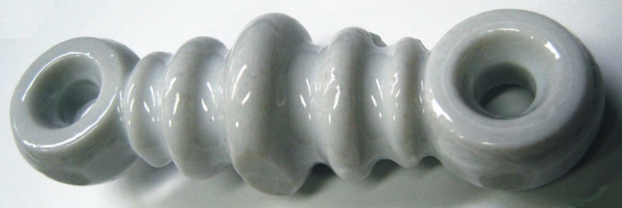
Single-Band Dipoles
Overview
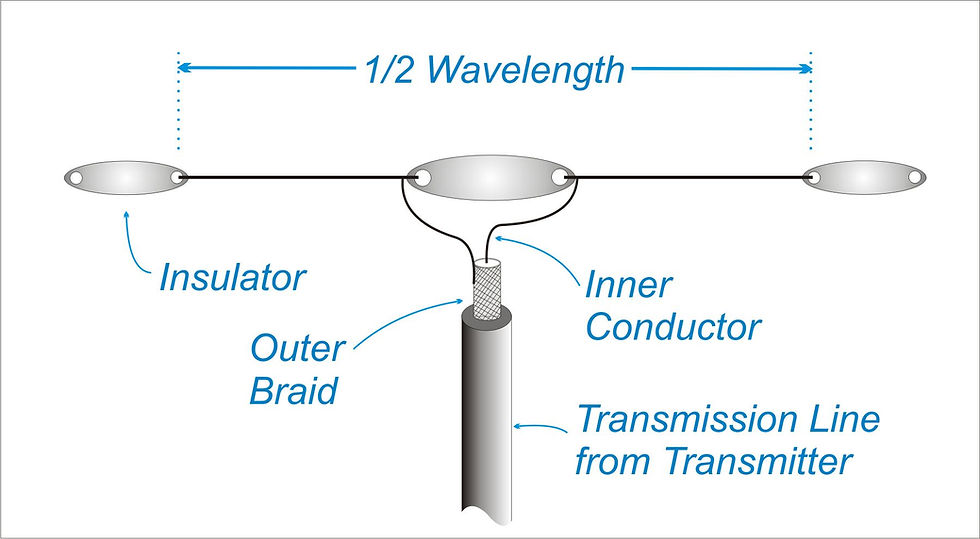
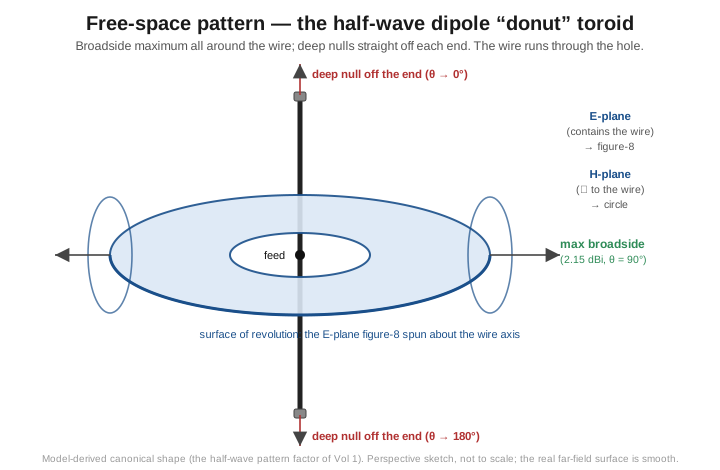
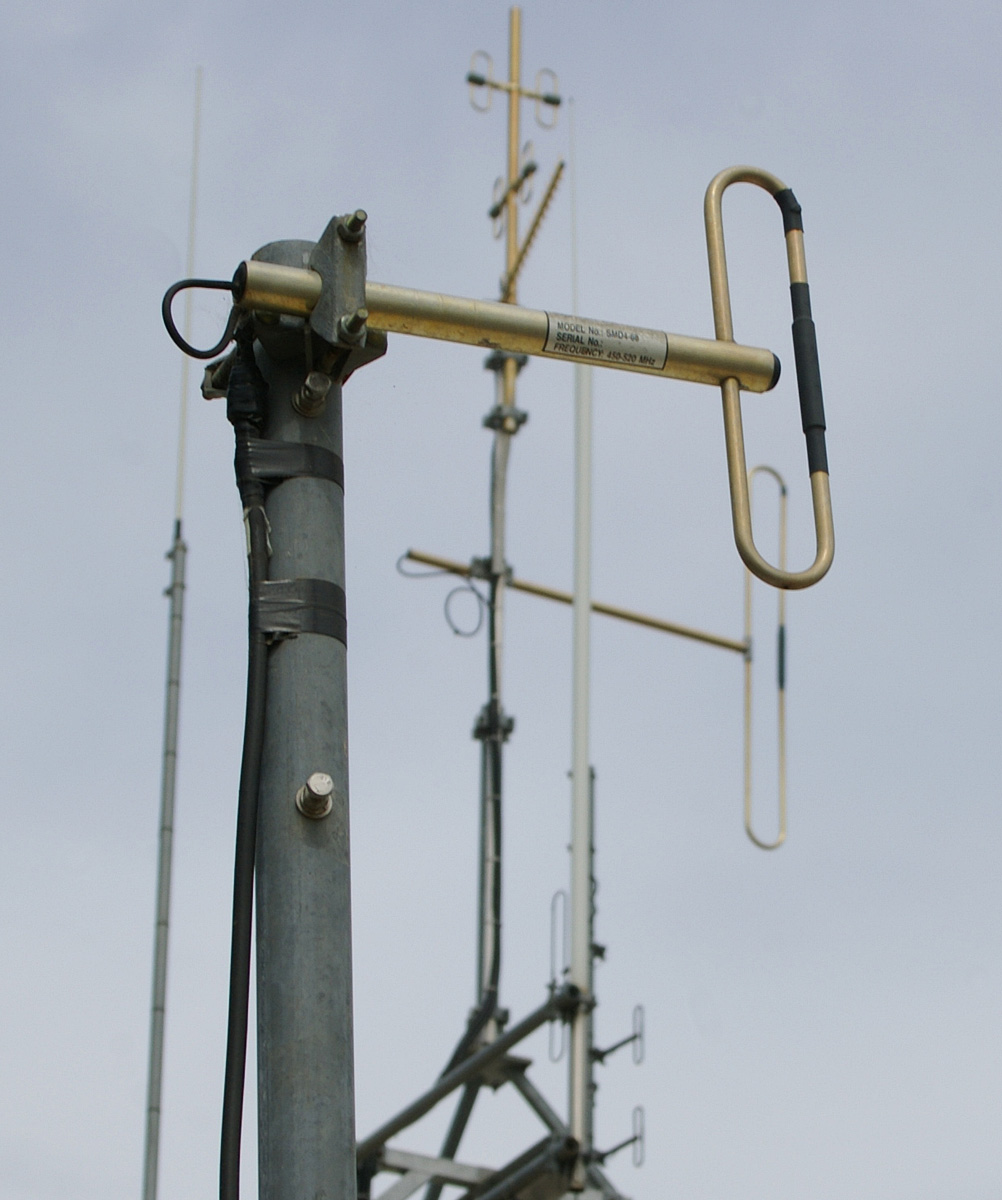
The half-wave dipole is the canonical resonant wire antenna and the universal reference against which every other antenna is measured — gain in dBd is literally "decibels relative to a dipole." This dive covers the half-wave, folded, inverted-V, sloper, and vertical dipole variants with full geometry-and-theory treatment, feedpoint-impedance analysis (73 + j42 Ω free-space, trimming to 73 Ω resistive at resonance), radiation patterns, SWR curves, power handling, a step-by-step DIY build for a 40 m half-wave, and a ranked commercial-buy section. The 2.15 dBi free-space gain, the ground-effect lobing that lifts a horizontal dipole to ~7.8 dBi at h = λ/2, and the 468/f_MHz trim formula are the foundational numbers the rest of the series builds on.
Context
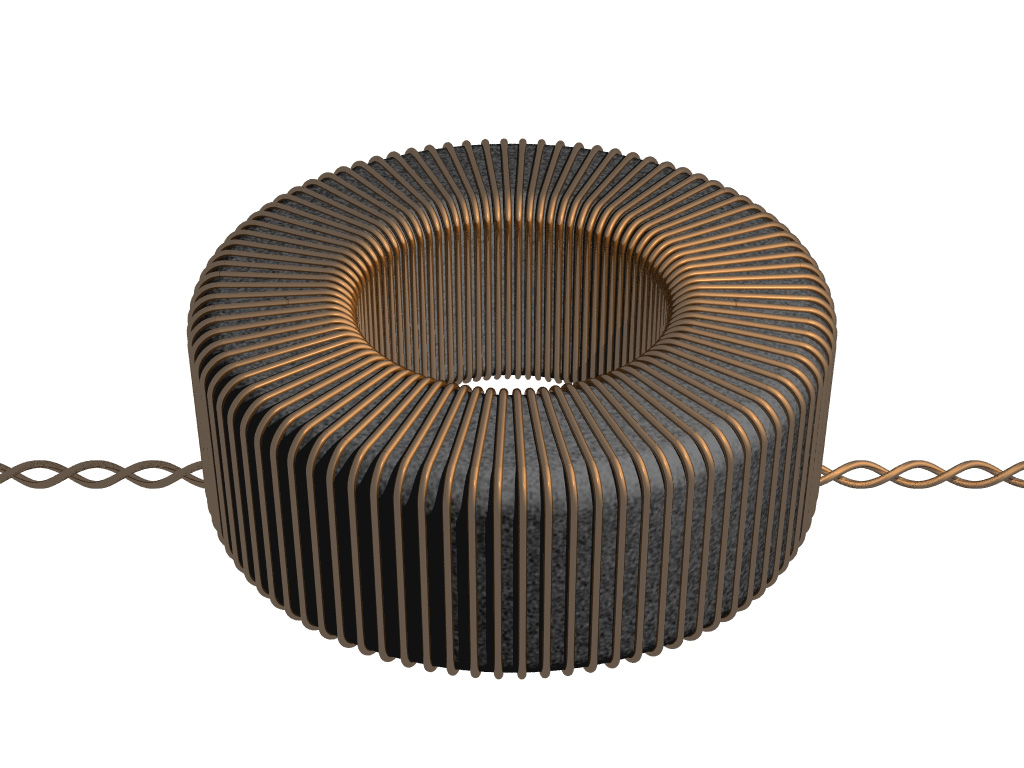
Single-band dipoles are the "build first, reach for most often" antenna: clean geometry, clean math, clean pattern. This dive establishes the BALUN-at-feedpoint requirement, the end-effect trim factor (k ≈ 0.95 for #14 wire, shorter for fatter elements), and the standing-wave picture — current maximum at the feedpoint, voltage maximum at the ends — that every later antenna chapter references. Multi-band relatives (OCFD, fan dipole, trap dipole, doublet, G5RV, ZS6BKW) live in the companion Multi-Band Dipoles sub-project; this dive stays single-band first to keep the reference treatment uncluttered and the numbers clean.